<?xml version="1.0" encoding="utf-8"?><mads xmlns="http://www.loc.gov/mads/" xmlns:mods="http://www.loc.gov/mods/v3" xmlns:xlink="http://www.w3.org/1999/xlink" xmlns:xsi="http://www.w3.org/2001/XMLSchema-instance" xsi:schemaLocation="http://www.loc.gov/mads/
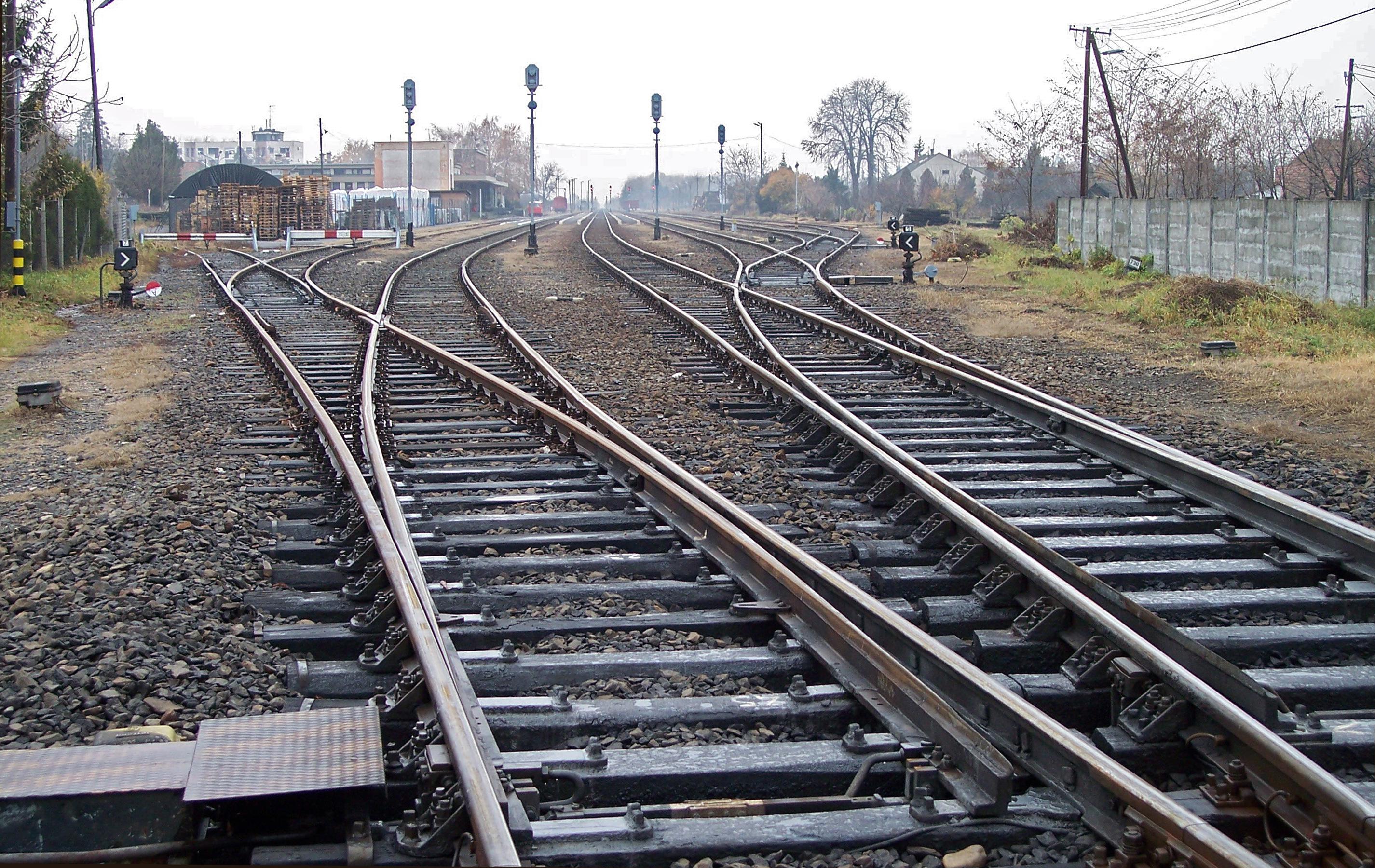
	mads.xsd"><authority><topic authority="http://thesaurus.abuledu.org/thesaurus/vocab/">Voies ferrées</topic></authority><related type="narrower"><topic>Eurostar</topic></related><related type="narrower"><topic>Gares</topic></related><related type="narrower"><topic>LGV</topic></related><related type="narrower"><topic>RER</topic></related><related type="narrower"><topic>TGV</topic></related><related type="broader"><topic>Circulation</topic></related> <note xml:lang="fr"><![CDATA[ <p><img title="Aiguillage ferroviaire" src="http://data-cache.abuledu.org/full/aiguillage-ferroviaire-538e5ef5.jpg" alt="Aiguillage ferroviaire" width="150" height="95" /></p>
<p>Une <strong>voie ferr&eacute;e</strong>, appel&eacute;e aussi voie de chemin de fer, est un chemin construit pour le transport ferroviaire de marchandises et de personnes sur rails. (source : vikidia.org)</p> ]]></note></mads>